Perfect Hummingbird Nectar Recipe: Water and Sugar Ratios
Intro
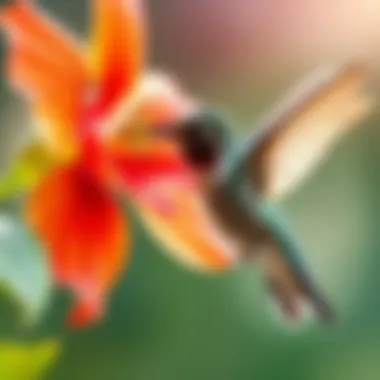
Creating the perfect hummingbird mixture is not just a simple task; it's an art and science that appeals to bird enthusiasts and nature lovers alike. Hummingbirds, with their iridescent feathers and incredible agility, are a delight to observe, but their dietary needs are quite specific. It's essential to understand how to prepare the mixture that will keep these tiny creatures buzzing around your yard, thriving in health and energy.
In this guide, we'll take a detailed look at what goes into crafting an optimal mixture of water and sugar that resonates with hummingbirds' nutritional needs. We'll explore the reasons behind the specific ratios, precautions to take while making the mix, how to maintain your feeders properly, and common mistakes to avoid. By the end of this article, you will be well-equipped to provide an inviting feeding environment for these enchanting birds, contributing to your local ecosystem while indulging in the everyday joy of nature watching.
Understanding Hummingbirds and Their Diet
Hummingbirds are small, vibrant creatures that captivate birdwatchers and casual observers alike. Their rapid wing beats and colorful feathers set them apart in the animal kingdom, but there's more than just aesthetics at play. Understanding the dietary habits of these birds is crucial for anyone looking to attract them to their backyard. When we know what keeps them energized, we can provide a better feeding experience.
The hummingbird's diet primarily consists of nectar, which varies in availability depending on the season and local flora. This demands a clear grasp of their nutritional needs, the essential role of sugar as a quick energy source, and how water integrates into their overall nutrition. Without catering to these needs, feeders may go ignored, and the birds may struggle to find the sustenance they need.
Moreover, understanding their diets not only fosters a healthier population of these beautiful birds but can also enhance our interactions with them. Satisfying their nutritional requirements creates a thriving environment, offering opportunities for observation that are both enchanting and educational.
Nutritional Needs
To support their frenetic lifestyles, hummingbirds have specific dietary requirements. Nectar is vital, serving as their primary energy source. However, it's not just any sweet liquid. It’s crucial that the nectar contains the right balance of sugars, ideally in a ratio that mimics the natural flowers they feed on. Additionally, while they may seem like simple creatures, their nutritional needs extend beyond sugar. Hummingbirds also require a range of vitamins, minerals, and proteins, often obtained from insects and spiders. These supplements are critical, particularly during breeding season, when energy demands are heightened.
Understanding this complexity is key to creating a mixture that effectively mimics their natural diet. When we comprehend what fuels these birds, we can create more appealing feeders that keep them returning regularly.
Sugar as a Fuel Source
Sugar, specifically sucrose, plays a vital role in hummingbirds' energy metabolism. When they consume nectar, the sugars are rapidly absorbed into their bloodstream, providing the quick boost they need to sustain their hyperactive lifestyles. In point of fact, these tiny birds beat their wings up to 80 times a second, and that kind of activity doesn't come without a price.
Often, people consider using various types of sugar—like cane or beet. However, not all sugars are equal. The ideal sugar for a hummingbird mixture is refined white sugar, primarily sucrose, which matches the natural sugars found in flowers. Most importantly, avoiding brown sugars or those containing additives is essential, as these can cause digestive issues in the birds.
By understanding how imperative sugar is to hummer vitality, we can better gauge how to mix and present feeding solutions that align closely to their natural consumption habits.
Water's Role in Nutrition
While nectar constitutes a major part of a hummingbird's diet, water is indispensable as well. It may not appear as prominently as sugar, but water plays a significant role. It aids digestion and helps regulate their body temperature. During hot seasons, especially, obtaining fresh water is critical for hydration, even for these tiny jungle acrobats.
Creating the right mixture involves not just weighing out sugar but also ensuring that water quality is pristine. Clean, fresh water helps maintain their health and offers a refreshing drink amidst a nectar-rich diet. To avoid any unwanted substances, using filtered or boiled water is smart, as tap water can sometimes contain chlorine and other chemicals that could be harmful.
The Ideal Hummingbird Mixture
When it comes to hummingbird feeders, striking the right balance in your mixture is like hitting a sweet note in a melody. The perfect hummingbird mixture is essential for attracting these dazzling creatures and ensuring their health and vitality. Hummingbirds are not just drawn to feeders; they rely on them for energy, hydration, and overall well-being. Understanding how to create an ideal mixture is critical for both seasoned bird enthusiasts and newcomers alike.
The mix primarily consists of water and sugar, but it's the proportions that make all the difference. Too much or too little of either component can lead to an imbalanced and unappealing feeder for the birds. The ideal mixture provides a consistent and energy-rich source that mimics the nectar found in flowers. This not only nourishes the birds but also helps to strengthen their natural feeding habits.
Basic Recipe Components
Crafting your own hummingbird mixture is straightforward, yet it requires precision. The basic components hinge primarily on just two ingredients:
- Granulated sugar – It serves as the primary energy source, almost like gasoline in a car.
- Water – Essential for diluting the sugar to a suitable level.
For beginners, the classic 4:1 ratio of water to sugar is often recommended. This means mixing four parts water to one part sugar. So, if you plan to use one cup of sugar, mix it with four cups of water. It’s worth noting that this ratio closely reflects the natural nectar levels that hummingbirds prefer, providing them with the energy they need while avoiding excessive sweetness.
Recommended Sugar Types
Not all sugars are created equal when it comes to hummingbird diets. While white granulated sugar is the go-to for most, there are aspects to consider. Using other types of sugar, like brown sugar or raw sugar, might seem like a good idea, but they can contain impurities or additives that may not be suited for our feathered friends.
- White granulated sugar is the best choice. It dissolves easily and mimics the clear nectar hummingbirds seek.
- Avoid honey, artificial sweeteners, or any other substitutes. These can be harmful to hummingbirds and disrupt their feeding habits.
As for specific brands, there’s no need to get fancy, but ensure it’s pure and free from additional ingredients. Keep it simple, because when it comes to hummingbirds, less is often more in terms of health and safety.
Water Quality Considerations
The quality of water plays an equally important role in crafting the perfect mixture. Tap water may be fine in a pinch, but it might also contain chlorine, heavy metals, or other contaminants that could deter hummingbirds. To ensure you're providing the best for these delicate creatures:
- Use filtered or distilled water whenever possible. This removes any unwanted chemicals and ensures the mixture remains clean and safe.
- Consider the temperature of the water as well. Warm water can help dissolve the sugar faster, leading to a smooth and quick preparation process.
- Cleanliness is crucial; always use clean containers for mixing and storing the sugar-water mixture. Any residues can harbor bacteria, which could be harmful when the mixture is left in feeders for long periods.
By prioritizing effective mixtures composed of clean water and pure sugar, enthusiasts can create an inviting space for hummingbirds that draws them in and keeps them healthy.
In crafting the ideal hummingbird mixture, attention to detail pays off. Each consideration—from recipe components and sugar type to water quality—culminates in a blend that not only feeds but also delights. By staying informed and observant, feeding practices enhance not just the birds’ experiences, but also our connection to nature.
For further reading, consider resources from National Wildlife Federation or Cornell Lab of Ornithology.
By mastering these elements, you can ensure that your feeders become a sanctuary for hummingbirds, fostering an enriching environment not just for the birds, but also for all who enjoy their beautiful presence.
Mixing Ratios: Getting It Right
When it comes to feeding hummingbirds, getting the mixing ratios just right can make all the difference. A proper water-to-sugar ratio enables the birds to access the energy they need without falling prey to health problems. This section delves into the significance of these ratios, the standard measurements, and how various factors can affect your mixture.
Standard Ratios Explained
Typically, the best starting point for creating your hummingbird mixture is a 4:1 ratio of water to sugar. This means you dissolve one part sugar in four parts water. It’s an age-old recipe that strikes a convenient balance for the hummingbirds, ensuring they get enough energy without over-saturating their systems with sugar.
The straightforward aspect of this ratio is what makes it popular among bird enthusiasts. It’s not too sweet, allowing the sugary essence to mimic natural nectar, thus attracting hummingbirds effectively. A diluted solution, such as this, also reduces the risk of fermentation or spoilage, making it safer for these delicate creatures.
"Hummingbirds prefer the simple, sweet elixirs mimicking nature's finest nectar. Putting the right ratios in place ensures an enjoyable feeding experience."
However, keep in mind that varying concentrations may be required during different times of the year, particularly due to changes in temperature and humidity levels. There may also be ocassions when slight adjustments based on your observed hummingbird activity make sense.
Factors Influencing Ratios
Environmental Conditions
Weather plays a significant role in how hummingbirds interact with their environment. Factors such as temperature and humidity influence the birds’ hydration needs and energy consumption. During hotter months, for instance, a bit more sugar can provide the swift energy required to battle the heat.
A key characteristic of warmer days means that hummingbirds might require more frequent feeding to keep their energy levels up. Hummingbirds tend to become more active as they search for sustenance, making it essential for feeders to be readily accessible with an appropriate mixture that suits their needs.
Furthermore, if you live in an area exposed to extreme weather conditions, consider adjusting the ratios. A more concentrated sugar solution could assist the birds more during cool evenings or chilly nights when they require a significant source of energy.


Hummingbird Species
Not all hummingbirds are the same, and knowing your local species can guide your choice of feeding mixture. For example, some species might favor sweeter solutions, particularly in regions with abundant natural nectar sources. They might be accustomed to a more concentrated sugar intake, especially when they're preparing for migration.
The adaptability of hummingbird species is quite remarkable. Some have a taste for higher sugar concentrations, while others may prefer a more diluted version. Thus, understanding the feeding preferences of your local hummingbird population is crucial. This awareness allows you to tailor the mixture to ensure maximum attraction and nourishment for the birds visiting your feeder.
In summary, the ratio of water to sugar isn't a one-size-fits-all formula. Taking into consideration the environmental conditions and hummingbird species unique to your area ensures that your feeder remains an inviting source of sustenance. Adjusting the mixture as needed can significantly enhance their feeding experience and health.
Optimal Feeding Practices
Feeding hummingbirds is as much an art as it is a science. Proper feeding practices not only enhance the experience for the observer but also ensure that the birds receive the best nutrition from their feed. By understanding key aspects like feeder selection, maintenance, and feeding frequency, one can create an optimal environment for these delicate creatures.
Feeder Selection
Choosing the right feeder is crucial. There are a plethora of designs on the market, but some fundamental factors determine the best fit. A well-designed feeder should allow for easy access to nectar while being resistant to pests.
- Material Matters: Look for feeders made from durable materials such as glass or quality plastic. Glass is easier to clean, while properly treated plastic can withstand the elements better.
- Port Size and Number: Different species of hummingbirds have varying beak sizes. Select a feeder that accommodates the beak length of your backyard visitors. More ports also mean more birds can feed simultaneously.
- Ant Moats: It’s a good idea to use feeders equipped with ant moats. These small basins filled with water create a barrier, preventing ants from raiding the nectar.
The right feeder can make all the difference in attracting hummingbirds to your yard.
Maintenance and Cleaning
A clean feeder is essential for the health of your feathered guests. Left unchecked, old nectar can ferment or foster mold, both of which can be harmful to hummingbirds. Here are some key maintenance tips:
- Regular Cleaning: Clean your feeder every few days, especially in hot weather. A solution of one part vinegar and four parts water works well to eliminate mold and bacteria.
- Rinse Thoroughly: After cleaning, rinse the feeder several times with hot water to ensure no soap residue remains. Soap can be toxic to birds.
- Check for Damage: Each cleaning session is also a good time to check for cracks or damage. A broken feeder can leak nectar and deter birds from visiting.
Keeping your feeder clean not only promotes bird health but also encourages frequent visits.
Feeding Frequency
Knowing when and how often to refill feeders is vital to sustaining visual interest and providing reliable sustenance for hummingbirds. Here are some guidelines to consider:
- Hot Weather: In warmer months, nectar can spoil quickly. It’s crucial to monitor sugar water levels closely and refill as needed to prevent fermentation.
- Seasonal Changes: Hummingbirds are migratory; during peak seasons, feeder activity varies dramatically. It’s wise to keep feeders filled to accommodate these changes, especially during migration periods.
- Observation: Pay attention to how quickly the birds empty the feeder. If it seems to deplete rapidly, increase your refilling frequency to match their appetite.
In general, maintain a consistent schedule to ensure that your feathered friends have access to fresh nectar.
"A well-timed feeding schedule signals to hummingbirds that your yard is a reliable source, encouraging them to return diligently."
In summary, adopting optimal feeding practices elevates the experience for both the caregiver and the hummingbirds. By selecting the right feeder, maintaining cleanliness, and managing feeding frequency, you can ensure these vibrant creatures thrive in your garden.
Common Mistakes to Avoid
Creating the perfect hummingbird mixture is a delicate balance, and even the most passionate bird enthusiasts can trip up along the way. Understanding the common mistakes in crafting this sweet nectar is crucial for ensuring that these vibrant creatures get the nutrition they need and deserve. Avoiding pitfalls can lead to healthier, happier hummingbirds frequenting your feeders, enriching your outdoor experience.
Using Granulated Sugar
Many people often think that any kind of sugar will do when preparing hummingbird nectar. However, using granulated sugar is a significant misstep. The texture and processing of granulated sugar can introduce additives or contaminants that are harmful to these delicate birds. Hummingbirds thrive on a simple sugar solution that closely resembles the natural nectar found in flowers.
Opt for plain cane sugar or pure cane sugar without any additives. This choice ensures birds receive an energy source that is easily digestible without risking their health. The purity of the sugar is paramount; impurities can lead to digestive issues and overall discomfort for hummingbirds. It's a tiny detail, but making the switch from granulated sugar to pure cane sugar makes a world of difference.
Overly Concentrated Mixtures
Another common blunder is preparing overly concentrated mixtures of sugar to water. Some might believe that a stronger solution will attract more birds. However, this misconception could not be further from the truth. Hummingbirds depend on a more diluted sugar solution, as high sugar concentrations can lead to dehydration and potential harm.
The recommended ratio is typically one part sugar to four parts water. Sticking to this standard not only mimics the natural nectar they consume but also ensures that the birds stay hydrated and healthy.
"Excess sugar can cause polarization in the blood of hummingbirds, leading to serious health implications." - Expert Ornithologist
Neglecting Feeder Hygiene
Once you’ve got the mixture down, the next hurdle is often neglecting feeder hygiene. A clean feeder is essential to ensure the health of visiting birds. Mold, bacteria, and pests can easily thrive in a poorly maintained feeder. Regular cleaning is non-negotiable if you want to keep your feathered friends safe.
Here's a simple cleaning routine to keep in mind:
- Rinse the feeder thoroughly with hot water.
- Use a solution of water and vinegar to scrub away any residue.
- Rinse again to ensure no vinegar scent remains.
- Allow the feeder to air dry completely before refilling it with the sugar mixture.
Taking the time to regularly clean your feeders not only shows your commitment to the welfare of hummingbirds but also encourages them to visit more frequently, turning your garden into a vibrant hummingbird haven.
Seasonal Adjustments
Understanding the seasonal changes is key to effectively feeding hummingbirds throughout the year. The diets and feeding behaviors of these tiny wonders can significantly shift with the seasons. By making smart adjustments, you can ensure that your feathered visitors are well-fed, supported, and thriving, no matter the time of year.
When we talk about seasonal changes, it isn’t just about the temperature or the amount of daylight. These changes also dictate the availability of nectar from flowers and impact hummingbird migration patterns. For those who want to attract these beauties to their backyards, adapting to the seasonal rhythms is absolutely essential.
Winter Feeding Strategies
During the colder months, hummingbirds face a tough battle for nourishment. As temperatures dip, natural food sources like blooming flowers become scarce. Thus, it’s crucial to modify your feeding practices to keep them around.
Here are some practical tips to ensure continuity in feeding through winter months:
- Increase the Sugar Ratio: A mixture of 1 part sugar to 3 parts water is typically adequate, but when the frost comes, you might want to bump it to a stronger 1:2 ratio. This higher sugar content is helpful for the birds as they need more energy to endure the chill.
- Keep Feeders Warm: It’s also important to prevent your feeders from freezing. Position them near a heat source, such as a sunny window, or even consider using battery-operated warmer devices designed for bird feeders.
- Regular Cleaning: Fungi and bacteria can thrive in warm spots, even during the winter. Cleaning your feeders regularly is even more vital during these months to maintain good hygiene.
- Monitor for Visitors: During the winter, be observant. Different species may appear in your area as they move south. Look out for variations in feeding habits and adjust accordingly.
Migratory Patterns and Timing
Hummingbirds are known for their incredible migratory journeys, often covering vast distances between their breeding and wintering grounds. Understanding these migratory patterns is crucial for anyone interested in hummingbird feeding.
- Timing of Migration: Most hummingbirds, like the Ruby-throated Hummingbird, migrate to warmer climates as winter approaches. These migrations typically begin in late summer and can last until mid-fall. Being proactive in your hummingbird feeding efforts will ensure that your feeders are ready when these birds stop off for vital fuel.
- Scouting for Seasonal Residents: Some species migrate regionally and may stay in certain areas for extended periods based on local conditions. Keeping an eye on local birdwatching reports can help you adjust your feeding schedule. For example, if a flock is reported near your home, be prepared to offer them sustenance.
- Planning Ahead: As spring rolls around, you should begin preparing your feeders well before the birds arrive. Having a fresh batch of nectar ready will allure them to your garden right after their long journey, increasing the likelihood of regular visits.
Understanding seasonal adjustments can significantly enhance your interactions with hummingbirds. It is important to adapt both your nectar mixture and feeder strategies to provide these birds with the resources they need, whichever season rolls around.
Closure: Enhancing Hummingbird Interactions
Creating the perfect environment for hummingbirds is about so much more than just getting the water-to-sugar ratio right. It’s about nurturing a space where these delightful creatures can thrive, providing them not only the sustenance they need but also an experience that encourages repeated visits. One of the primary benefits of understanding how to craft the ideal hummingbird mixture is the opportunity it gives us to observe these fascinating birds up close, enriching our connection with nature.
A few considerations make a significant difference when it comes to hummingbird interactions:
- Right Mixture: Having the appropriate sugar concentration is crucial. Too strong or diluted a mixture can be harmful. Keeping it at about four parts water to one part sugar ensures that the birds are getting the right energy boost without any negative side effects.
- Feeder Placement: The positioning of the feeders plays an important role too. Placing them in shaded areas can prevent fermentation and bacteria growth, ensuring fresher nectar for the birds. Moreover, hanging them where they can easily access flowers boosts the chance of attracting more visitors.
- Regular Maintenance: Cleaning the feeders regularly cannot be overstated. Left unchecked, feeders can develop mold or grow bacteria that can harm the birds. Giving them a rinse and refill every few days, especially in high-heat environments, keeps the juice fresh and safe.
- Awareness of Behavior: Observing the birds can provide insights into their needs and preferences. Some might favor feeders with certain designs or colors or might establish a specific time of day for feeding. Understanding these patterns can lead to enhanced interactions.
"Our interactions can positively impact the hummingbird populations, ensuring their survival and enjoyment of our backyards."
With dedication and care, anyone can create a welcoming oasis. These interactions not only bring joy and beauty into our lives, but also contribute to deeper ecological balance. By crafting optimal hummingbird mixtures and practices, we embrace not just the birds’ needs, but our role in their world. When we take time to master the art of hummingbird feeding, we foster a connection that benefits both us and the avian wonders we cherish, ensuring that our gardens remain vibrant and full of fluttering life.