Exploring Deep Dish Pasta Bowls: A Culinary Journey
Intro
In the realm of culinary delights, few dishes provoke as much discussion and passion as deep dish pasta bowls. More than just a vessel for noodles and sauce, these bowls embody a rich tapestry of history and culture, linking various regions through their unique flavors and ingredients. What you see on the surface is just a whisker of the depth hidden below: from the meticulous preparations to the intricate methods passed down through generations.
Imagine stepping into a bustling kitchen, the air thick with the aroma of simmering sauces and fresh herbs. This is where the magic happens—deep dish pasta bowls allow you to experiment with flavors and textures like few other dishes can. Wouldn't it be something to understand the nuances between a traditional Italian lasagna bowl and a modern American take loaded with seasonal vegetables?
As we journey through this exploration, we'll discuss not just the practical aspects of preparing these bowls, but also the significance they hold in culinary traditions around the world. You’ll see how regional ingredients can transform a simple carb dish into a sensational meal that’s still deeply rooted in culture. So, whether you are a budding cook or a seasoned kitchen warrior, get ready to uncover the layers of inspiration brought forth by deep dish pasta bowls, as we venture forth on this savory expedition.
Preamble to Deep Dish Pasta Bowls
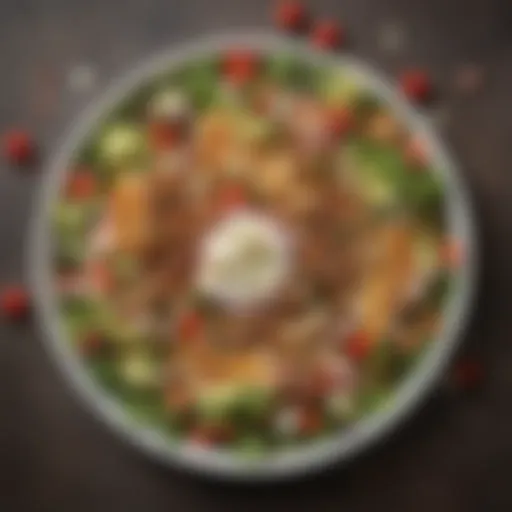
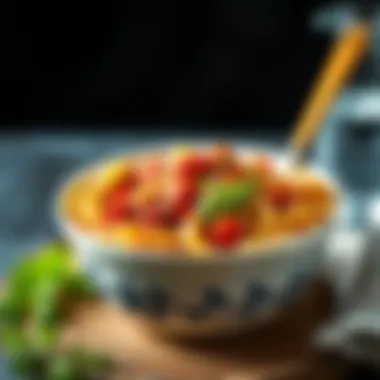
Deep dish pasta bowls offer a unique twist on traditional pasta serving methods, blending comfort and creativity. As more food lovers look for fresh ways to enjoy their favorite dishes, deep dish pasta bowls have emerged as a standout option. These bowls allow for layers of flavors and textures, providing a satisfying and visually stunning meal.
The appeal of deep dish pasta bowls lies not just in their presentation, but also in the versatility they provide. Whether it’s a family gathering or a solo dinner, these bowls can accommodate various tastes and dietary preferences, making them an ideal choice for any occasion. Given the booming interest in home cooking, especially in a world where cooking shows and social media have elevated the art of preparation and plating, understanding deep dish pasta bowls becomes essential.
Definition and Characteristics
Deep dish pasta bowls are large, often ceramic or glass bowls designed to hold multiple layers of pasta, sauce, and toppings. They contrast with traditional pasta plates by not just serving the food, but also creating a visually rich experience. A hallmark characteristic of these bowls is their depth, which allows cooks to layer ingredients, resulting in a harmonious blend of flavors in every bite.
Notably, the design of these bowls encourages a communal dining experience. Families and friends can gather around a central deep dish pasta bowl, sharing and savoring each serving together. This communal aspect elevates the dining experience, emphasizing the joy of food as a social activity. The textures can run from crispy cheese tops to creamy sauces and hearty vegetables, all piled up invitingly.
Historical Context
The history of pasta has deep roots across various cultures. In Italy, the tradition of using bowls to serve pasta is not new, but the evolution of the deep dish style reflects changing culinary practices. Originating from the era of Italian-American cuisine in the mid-20th century, deep dish pasta bowls were initially designed to accommodate heavier, saucier styles of pasta. These dishes celebrated the generous homemade sauces prevalent in Italian kitchens while adapting to the American palate, which often favors hearty meals.
Over the decades, the innovative food movement has embraced global influences. This led to a reimagining of deep dish pasta bowls in various styles, reflecting regional ingredients and cultural flavors from around the world. As we explore deep dish pasta bowls, it is vital to recognize that they serve as a canvas for culinary creativity—melding tradition with modern innovation.
The Evolution of Pasta Serving Styles
The way we serve pasta has undergone significant transformations over the centuries. With the rise of globalization and culinary experimentation, the deep dish pasta bowl is a prime example of how traditional dishes are evolving in contemporary cuisine. Understanding these changes is essential for any culinary enthusiast. This segment sheds light on how pasta presentation reflects cultural shifts and modern dining practices, while showing benefits that arise from a thoughtful approach to serving styles.
Traditional Serving Methods
Traditional Italian pasta is often seen served in a minimalist manner. In the past, pasta was commonly presented in a simple bowl or on a plate, topped with a drizzle of olive oil and a sprinkle of grated cheese. The idea of simplicity allows for the authentic flavors of the ingredients to shine through. Most often this method keeps the focus on the pasta itself, emphasizing quality over quantity.
- Common features of traditional serving methods include:
- Single Strand Pasta: Spaghetti served in a small bowl, twirled for neatness.
- Sauce Skimming: Light sauces that cling well, like Aglio e Olio, using just enough to coat the pasta without overpowering it.
- Presentation: A sprinkle of fresh herbs or a single basil leaf for that finishing touch.
Despite the straightforward approach, there are stories rooted in these practices. For instance, a meal of spaghetti puttanesca may trace its evolution back to the women of Naples. The hearty sauce of tomatoes and olives used ingredients at hand; this showcases the practical nature of the cuisine. Traditional methods highlight not just the dish but also the narratives behind it.
Modern Adaptations and Innovations
In contrast, modern adaptations have brought a kin of creativity to pasta serving styles. Today, deep dish pasta bowls allow for an imaginative presentation that speaks to both taste and visual appeal. Chefs have taken to layering ingredients, experimenting with different flavors and even utilizing the bowls themselves as a canvas for artful plating.
- Key trends in modern adaptations are:
- Multiple Layers: Using a variety of ingredients in a single dish, often with distinct flavor profiles, mixed and matched artfully in deep bowls.
- Garnishes and Textures: Incorporating different toppings such as crunchy bread crumbs, fresh herbs, or even edible flowers to enhance aesthetics.
- Global Influences: Each region adds its flair; for instance, a Japanese twist might bring miso into play.
These modern serving methods not only enhance the eating experience but also engage diners in a way that sparks curiosity. Plating techniques have seen a rise as social media saturates food photography. As a result, kitchens often echo the sentiment: "Eat with your eyes first!"
Adapting traditional styles into modern presentations offers an opportunity to engage with broader culinary trends. Not only does it celebrate heritage, but it also embraces evolution, allowing diners of all backgrounds to experience pasta in new and unexpected ways.
Today's dining scene often blurs the lines between tradition and innovation; the former lays the groundwork while the latter builds upon it to create something fresh yet familiar.
Ingredients of Deep Dish Pasta Bowls
When it comes to deep dish pasta bowls, the selection of ingredients is crucial. Not only do the choice of components define the overall taste and texture of the dish, but they also add layers of flavor and nutritional value. Understanding which ingredients work together harmoniously is key to mastering this hearty meal. Besides merely filling bellies, thoughtful ingredient choices elevate the cooking experience and can even evoke emotions and memories connected to family meals. Given that deep dish pasta bowls are often shared, they serve as more than just a meal; they can be a medium for building connections.
Types of Pasta Suited for Deep Dishes
The heart of any pasta bowl begins with the pasta itself. For deep dish recipes, certain types are particularly well suited due to their shape and texture. Here are a few standout options:


- Penne: This tube-shaped pasta captures sauces beautifully, ensuring each bite is packed with flavor.
- Fusilli: Its spiral form holds onto toppings and ingredients brilliantly, creating a delightful experience in every mouthful.
- Orecchiette: Known as "little ears," these small, cup-shaped pasta pieces are perfect for trapping bits of meat and vegetables in their curves.
One cannot underestimate the importance of pasta in the dish. Using the appropriate type not only enhances the flavor but also the overall aesthetic, inviting diners to partake and indulge.
Essential Sauces and Toppings
Once the pasta is chosen, the next step is selecting the right sauces and toppings. A deep dish pasta bowl ideally requires a sauce that is rich, thick, and full of aroma. Some classics include:
- Marinara: A staple in Italian cooking, smooth marinara sauce is wonderful for those who prefer a traditional flavor.
- Alfredo: Creamy and luxurious, this sauce pairs well with cheese-based dishes and chicken.
- Pesto: For something fresher, basil pesto brings a vibrant green color and herbaceous taste that lightens the meal.
Don't forget about toppings! Cheese, herbs, and even nuts can add an extra crunch or flavor pop. Popular choices are fresh mozzarella, grated parmesan, and a sprinkle of fresh basil or parsley to finish the dish. Incorporating various textures through toppings enhances the eating experience, making each mouthful feel unique.
Important Note: Balancing flavors is essential, especially with deep dish pasta bowls. Too much of one ingredient can overwhelm the palate, so sampling and adjusting during cooking is a must.
Seasonal Ingredients to Consider
Lastly, emphasizing seasonal ingredients is a smart way to amp up both flavor and nutrition. Each season brings its own bounty, allowing cooks to showcase the freshest produce available.
- Spring: Think asparagus and peas, adding a burst of freshness.
- Summer: Ripe tomatoes and zucchini for a light, summer-inspired bowl.
- Fall: Butternut squash and kale can provide depth and earthiness as the weather gets cooler.
- Winter: Root vegetables like carrots and parsnips can add substantial warmth.
By integrating seasonal ingredients, not only do you cater to sustainability and community-supported agriculture, but you also enrich the dish with flavors that reflect the time of year, bringing a sense of vitality to your cooking.
Techniques for Crafting Deep Dish Pasta Bowls
Creating a deep dish pasta bowl is more than just mixing ingredients and popping it in the oven; it’s a careful art that requires precise techniques. These techniques not only enhance the flavor and textures but also elevate the dish to a level that's visually appealing. If you take your time and pay attention to detail, the final product will reflect that effort. This section will cover essential layering strategies, baking tips for achieving that perfect crust, and presentation tactics to make your dish stand out on any table.
Layering Techniques
Layering is a crucial element in assembling a deep dish pasta bowl that withstands the test of time both in taste and presentation. The idea is to build flavors and textures by using a methodical approach.
- Choose Your Base: Start with a solid foundation. This could be a layer of pasta like lasagna or penne. Think about how different pasta shapes hold onto the sauce and toppings. For instance, the rich surfaces of rigatoni can cradle a robust sauce well.
- Sauce it Up: Next, spread a generous scoop of sauce directly over your pasta. This aids in binding the layers together and prevents the pasta from drying out. Whether it's a creamy Alfredo or a hearty Bolognese, don’t skimp on this layer.
- Add Vegetables: Filling your bowl with vegetables adds depth. Onions, bell peppers, and spinach not only contribute flavor but offer a hint of crunch. Using seasonal vegetables can also bring fresh tastes that complement the other ingredients.
- Cheese Layers: Mozzarella, Parmesan, or a tangy goat cheese can be used to create harmonious layers. Layer cheese generously between the various components to ensure it melts beautifully, acting as a glue that holds it all in place.
- Repeat the Cycle: Keep repeating the process, adding layers, and mixing flavors until you reach the rim of your bowl. Each layer should be distinctly visible but seamlessly integrated, creating a mosaic of taste and texture.
This layering method not only builds a compelling flavor profile but also creates a visual feast when the pasta bowl is cut into slices. Each piece reveals the carefully curated structure.
Baking Tips for Optimal Texture
Baking a deep dish pasta bowl properly is essential for achieving that delightful contrast between a soft and moist inside and a slightly crisp exterior. Getting the balance just right can make a world of difference.
- Preheat the Oven: Make sure to preheat the oven to a suitable temperature—around 375°F (190°C) tends to be ideal. Starting with a properly heated oven helps set the dish quickly, which in turn helps achieve that golden crust you want.
- Cover the Bowl: Initially cover the deep dish with aluminum foil to retain moisture while the pasta cooks through. Removing the cover halfway allows the top to brown nicely, achieving that crispy texture.
- Check for Doneness: Use a skewer or knife to test the middle of the pasta bowl. If it comes out hot and clean, your dish is ready. If there’s any uncooked pasta sticking to it, give it more time in the oven but keep an eye on the crust.
- Rest Before Serving: Allow the bowl to rest for about 10 minutes before slicing into it. This not only helps in setting the layers but also makes serving much neater.
Perfecting these baking techniques not only guarantees a well-cooked bowl but also reinforces the layered structure you've built with the components.
Presentation Strategies
Once you've crafted your deep dish masterpiece, showcasing it in a manner that invites admiration is the icing on the cake, or in this case, the sprinkle on the pasta.
- Choosing the Right Dish: Select a baking dish that enhances presentation. Glass or ceramic dishes not only cook evenly but also look beautiful when serving.
- Garnishing: A sprinkle of fresh herbs like basil or parsley right before serving can instantly elevate the dish. A drizzle of olive oil or balsamic reduction adds a glossy finish.
- Serve with Sides: Pairing your pasta bowl with garlic bread or a fresh salad creates a complete dining experience that balances flavors and textures.
- Encourage Sharing: Cut the deep dish into wedges and serve on a communal platter. This not only looks appetizing but encourages a social dining atmosphere.
"The secret ingredient is always a touch of creativity. Present your dish in a way that makes people not just want to eat it but to take a picture of it."
These presentation strategies ensure that your dish is not only a delight to savor but also a feast for the eyes. By combining careful techniques for crafting, baking, and presenting deep dish pasta bowls, you create an experience that resonates with food lovers everywhere.
Cultural Perspectives on Deep Dish Pasta
The world of deep dish pasta bowls is not just a culinary delight but also a mosaic of cultures and traditions. Understanding these cultural perspectives is crucial, as it highlights the diverse ways in which people interpret and enjoy this beloved meal. From family gatherings to festivals, deep dish pasta serves as more than just food; it embodies heritage and community. Thus, it becomes necessary to explore regional nuances that affect flavor profiles and presentation styles.
Regional Variations
When we talk about regional variations in deep dish pasta, it’s like opening a treasure chest filled with unique ingredients and cooking practices. Each region adds its own personal touch, bringing flavors that speak of local customs and histories. For instance, in Chicago, the classic deep dish pizza format sometimes merges with pasta, leading to mouth-watering concoctions that feature a cornmeal crust filled with layers of pasta, cheese, and sauce. You might find it served with a side of ranch dressing — a true Midwestern flair.
Meanwhile, in Sicily, you could stumble upon a special version that incorporates local seafood, such as sardines or anchovies, mixed into the pasta. Their use of rich, aromatic herbs, such as wild fennel and mint, sets it apart and shows how the Mediterranean influences flavor and cooking methods.


There’s also San Francisco, where you’ll see a splendid take on deep dish pasta that infuses elements of Asian cuisine, thanks to the immense cultural melting pot. Think dumplings filled with classic bolognese sauce, baked in a deep dish format, showcasing the creativity and openness of culinary styles in that area.
In this intricate landscape, one can expect dishes to not just be diverse but also reflective of their surroundings, fusing local tastes with deep dish pasta creativity.
Influence of Global Cuisines
The impact of global cuisines on deep dish pasta is a fascinating topic worth delving into. It’s a beautiful reflection of how food transcends borders, allowing cultures to share and celebrate their culinary identities. A deep dish pasta bowl is a common ground where distinct cooking traditions meet and blend harmoniously.
From Italian influences that emphasize al dente pasta and rich tomato-based sauces, to Latin American twists laden with spices, the fusion possibilities are seemingly endless. For example, consider a deep dish bowl inspired by Mexican cuisine, featuring chorizo, black beans, and a sprinkle of cotija cheese, paired with rich enchilada sauce. It opens up a whole new dimension of flavors that challenges the traditional concept of deep dish.
“Food is a global language, and each deep dish pasta bowl tells a different story based on its cultural roots.”
In the Middle East, dishes may take on a whole other character; imagine a deep dish filled with farro pasta, accented with lamb and zesty lemon yogurt, all baked to perfection. This kind of blending serves as a culinary exploration that speaks volumes about cultural exchange and innovation.
As we're increasingly influenced by global food trends, deep dish pasta bowls are not just a delicious reminder of heritage but also a canvas for culinary expression, bringing together flavors from every corner of the world.
Nutritional Aspects of Deep Dish Pasta Bowls
When it comes to indulging in a delightfully layered and hearty deep dish pasta bowl, many food lovers often ponder about the nutritional implications. Understanding the nutritional aspects not only helps in making informed choices but also highlights the potential health benefits that these rich dishes can offer. It’s crucial to strike a balance between flavor and nutrition, ensuring that every bite is as wholesome as it is delicious.
Balancing Ingredients for Healthier Options
Creating a deep dish pasta bowl that pleases the palate while being mindful of health can certainly be an art. Using a variety of ingredients is key to achieving this balance. For instance, incorporating whole-grain pasta can enhance fiber content, offering more nutrients compared to regular pasta. Additionally, opting for lean proteins like chicken, turkey, or plant-based alternatives can help reduce the overall calorie count without sacrificing flavor.
Consider the following tips to create a healthier deep dish pasta bowl:
- Load up on Vegetables: Adding vegetables such as spinach, bell peppers, and carrots not only boosts the nutritional profile but also adds vibrant color and texture.
- Be Mindful of Sauces: Homemade tomato or basil sauces can be healthier than store-bought options, which often contain added sugars and preservatives.
- Control Portions: While it’s tempting to pile it high, moderation in serving size plays an essential role in maintaining balance. A proper portion can prevent overindulgence while allowing enjoyment of rich flavors.
Ultimately, creating a stunning deep dish pasta bowl involves a thoughtful selection of ingredients that can cater to various dietary preferences while still delivering a satisfying meal.
Dietary Considerations and Accommodations
As culinary trends evolve, so do the dietary needs and preferences of eaters. Whether someone is following gluten-free, vegan, or ketogenic diets, there’s no need to miss out on a delicious deep dish pasta experience. Understanding how to modify recipes to accommodate these varying needs is essential.
For instance:
- Gluten-Free Options: Using gluten-free pasta alternatives made from quinoa or brown rice can provide a similar texture and flavor without the gluten.
- Vegan Variations: Replace cheese with nutritional yeast or dairy-free options and enhance flavors with herbs and spices. Legumes can also substitute for meat, adding protein and fiber.
- Keto-Friendly Bowls: Zucchini noodles or spaghetti squash can serve as a low-carb alternative to traditional pasta, paired with a rich and creamy sauce made from avocados or coconut milk.
These dietary modifications not only make deep dish pasta bowls accessible to a variety of eaters but also introduce new flavors and ingredients that keep the culinary journey exciting.
In summary, understanding the nutritional aspects of deep dish pasta bowls enhances our culinary experience. Being conscious of ingredient choices and their potential impact on health allows you to savor these dishes with comfort and enjoyment, satisfying both the taste buds and the body.
Current Trends in Deep Dish Pasta Bowls
As culinary landscapes continue to evolve, deep dish pasta bowls have made a noteworthy mark. These creations are not just about satisfying hunger; they are a marriage of tradition and innovation, appealing to diverse palates and preferences. The growing trend around them reveals much about current dining habits, where convenience, variety, and aesthetics reign supreme.
Popularity in Dining Establishments
In recent years, deep dish pasta bowls have gained a firm foothold in restaurant menus. Diners today are looking for hearty meals that not only fill the stomach but also please the eye. Establishments ranging from upscale bistros to casual eateries have embraced these dishes, offering unique interpretations that bind local flavors with traditional pasta recipes.
- Hearty Options: Many restaurants are creatively pushing the boundaries, incorporating seasonal and locally sourced ingredients in their offerings, such as roasted vegetables or artisanal cheeses. This not only caters to current health trends but also engages the community.
- Customizable Choices: They often allow patrons to customize their bowls. Mix and match different pastas, sauces, and toppings provide a personalized experience that encourages repeat business.
- Culinary Showmanship: The visual appeal plays a role too. Artists in the kitchen adorn deep dishes with vibrant garnishes, effectively turning meals into edible artwork.
- Menu Trends: Furthermore, a growing number of establishments are adopting multi-layered pasta bowls that include contrasting flavors and textures, showcasing the versatility of deep dish offerings.
Social Media Influence on Trends
Social media has become a powerful tool for shaping dining trends, with platforms like Instagram and TikTok acting as stages for the culinary showcase.
- Visual Appeal: The aesthetic value of deep dish pasta bowls is capitalized on platforms where snapshots of beautifully arranged food receive likes and shares. This visual culture promotes dishes that not only taste good but look scrumptious too.
- Viral Recipes: Influencers often share unique recipes or dining experiences, encouraging followers to try their hand at recreating these dishes at home. A single viral post can send a wave of interest toward a particular ingredient or technique, significantly impacting demand in restaurants.
- Engaging Content: Hashtags like #DeepDishPasta have emerged, encapsulating various interpretations of the dish, fostering a community of enthusiasts who share their personal twists, thereby amplifying its appeal.
- Trends in Diets: As dietary needs evolve, users frequently share adaptations of traditional recipes, such as gluten-free or plant-based deep dish pasta bowls. This ultimately drives a wider acceptance and curiosity among diners, pushing restaurants to keep pace with these dietary shifts.
In essence, the current trends surrounding deep dish pasta bowls illustrate not just a fleeting craze, but a reflection of culinary desires that intertwine flavor, presentation, and adaptability. They signify an ongoing evolution in how we experience food, where every bowl tells a story of culture, creativity, and connection.
Recipes for Deep Dish Pasta Bowls


When it comes to deep dish pasta bowls, recipes serve as the backbone of culinary creativity. They are not just about throwing ingredients together; they provide a structured way for both novice cooks and experienced chefs to explore flavors, textures, and techniques. Each recipe can tell a story, reflecting personal tastes and cultural influences. The art of crafting the perfect deep dish pasta bowl demands an understanding of the underlying principles of flavor balance, ingredient compatibility, and presentation, making it essential to dive into the nuances of each recipe.
The benefits of having a few solid recipes on hand are manifold. They can serve as a starting point for experimentation or as tried-and-true favorites for gatherings. Additionally, having a range of options – from classic to gourmet – allows for flexibility, ensuring that there's a deep dish pasta bowl for every occasion.
Here’s a closer look at some standout recipes, including traditional, vegetarian, and gourmet versions that showcase the versatility of this unique dish.
Classic Deep Dish Pasta Bowl Recipe
To kick things off, let’s discuss a well-loved classic that embodies the essence of comfort food. Imagine thick layers of pasta smothered in rich marinara sauce, mingling beautifully with gooey mozzarella and a sprinkle of Parmesan on top. This classic deep dish pasta bowl is simple yet satisfying.
Ingredients:
- 3 cups cooked penne pasta
- 2 cups marinara sauce
- 2 cups shredded mozzarella cheese
- 1/2 cup grated Parmesan cheese
- 1 tablespoon dried Italian herbs
- Salt and pepper to taste
Instructions:
- Preheat your oven to 375°F (190°C).
- In a large bowl, mix the cooked pasta with marinara sauce, salt, pepper, and dried herbs.
- In a greased deep dish baking dish, layer half of the sauced pasta. Add a layer of mozzarella cheese, then the rest of the pasta.
- Top with remaining mozzarella and sprinkle Parmesan cheese.
- Cover with aluminum foil and bake for 20 minutes.
- Remove the foil and bake for an additional 10 minutes until the cheese is bubbly and golden.
- Let it cool for 5 minutes before serving.
This straightforward recipe is perfect for weeknights or family gatherings, making it a reliable go-to that can easily win over even the pickiest of eaters.
Vegetarian Variation
For those who prefer a plant-based twist without sacrificing flavor, the vegetarian deep dish pasta bowl is a shining beacon. Think layers of roasted vegetables, stuffed with fragrant herbs and cheese, creating a delightful symphony of tastes.
Ingredients:
- 3 cups cooked fusilli pasta
- 1 cup ricotta cheese
- 2 cups assorted roasted vegetables (zucchini, bell peppers, mushrooms)
- 2 cups marinara sauce
- 2 cups shredded mozzarella cheese
- 1 tablespoon fresh basil, chopped
- Salt and pepper to taste
Instructions:
- Preheat the oven to 375°F (190°C).
- In a bowl, combine the roasted veggies with ricotta, basil, salt, and pepper.
- Layer half of the cooked fusilli in a deep dish, cover with marinara sauce, then add the ricotta and veggie mix.
- Top with the remaining pasta and cover with mozzarella cheese.
- Bake for 30 minutes, covered in foil, and then uncover for 10 to 15 minutes more until cheese is melty.
- Allow to sit for a few minutes before slicing.
This vegetarian treat engages the senses and showcases how deep dish pasta bowls can be inclusive, proving delectable flavors can come without meat.
Gourmet Deep Dish Pasta Bowl Recipe
Now, let’s elevate the experience with a gourmet touch. Think creamy Alfredo, succulent shrimp, and a hint of truffle oil to tantalize those taste buds.
Ingredients:
- 3 cups cooked tagliatelle pasta
- 1 cup heavy cream
- 1 cup cooked shrimp
- 1 cup grated aged Parmesan cheese
- 2 tablespoons truffle oil
- 1 tablespoon garlic, minced
- Salt and pepper to taste
Instructions:
- Preheat the oven to 375°F (190°C).
- In a skillet, combine heavy cream, garlic, and shrimp over medium heat until warmed through. Season with salt and pepper.
- In a deep dish, layer half of the tagliatelle, followed by the shrimp and cream mixture, then sprinkle with Parmesan.
- Add the remaining pasta and finish off with more grated cheese and truffle oil.
- Bake for 25 minutes until bubbly and golden around the edges.
- Let it cool slightly; drizzle with extra truffle oil for a touch of elegance before serving.
This dish takes the deep dish pasta bowl to new heights; it’s an experience, not merely a meal, perfect for a special event or when impressing someone important.
These recipes illustrate how deep dish pasta bowls can cater to various dietary preferences while delivering on the promise of comfort and satisfaction.
By exploring these distinct yet cohesive recipes, one can unlock a world of flavor, making deep dish pasta bowls a staple in any kitchen.
The End: The Lasting Impact of Deep Dish Pasta Bowls
Deep dish pasta bowls hold an enduring significance in contemporary dining. They are not just about the food; they represent a melding of tradition and modern culinary exploration. With every layer of pasta, sauce, and toppings, there's a narrative of cultural heritage, adaptation, and innovation.
One can argue that the appeal of deep dish pasta bowls lies in their capacity to bring together diverse flavors in a single dish. These bowls embody comfort and warmth, often being a central feature during family gatherings, celebrations, or simply cozy dinners at home. Furthermore, they encourage culinary creativity, inviting cooks to experiment with ingredients that span regional and global cuisines.
"Deep dish pasta bowls are more than just a meal; they are a canvas for culinary artisans."
When considering the nutritional aspects, a well-crafted deep dish can accommodate various dietary needs. Vegans and gluten-free eaters can enjoy their own versions, ensuring inclusivity in meals. This adaptability highlights how deep dish pasta bowls can traverse the lines of dietary preferences, making them appealing to a broader audience.
The Future of Deep Dish Pasta in Culinary Arts
As we look forward, the trajectory of deep dish pasta in culinary arts seems bright and inviting. Chefs and home cooks alike are already pushing boundaries, experimenting with ingredients and preparation methods in novel ways. We can expect to see further integration of local and seasonal produce, aligning with the growing movement towards sustainability in cooking.
Moreover, with the rise of food blogs and social media platforms, presenting deep dish pasta has taken on a new flavor. Photogenic arrangements and creative recipes flooded the internet, inspiring a new generation to indulge in this hearty fare. Social media trends can easily transform a classic dish into a gourmet spectacle, capturing the attention of food lovers everywhere.
In essence, the deep dish pasta bowl is on its way to becoming a staple in kitchens around the world. Its evolution defies rigid culinary conventions, making room for personal expression and cultural exchange. As culinary arts continue to evolve, deep dish pasta bowls are sure to remain at the forefront, proving their delicious and diverse legacy.