
Exploring Real Cocktail Ingredients: A Comprehensive Guide


Intro
Cocktails have long been a staple of social gatherings and celebrations, blending creativity with science. Understanding the ingredients that go into these delightful concoctions is vital for anyone looking to elevate their mixology skills. This guide will shed light on the essentials of cocktail crafting, providing insights into the various components that make up a drink.
In the cocktail world, the choices one makes about ingredients can construct entirely different experiences. From the warm, rich earthiness of aged spirits to the bright and invigorating notes of fresh garnishes, each ingredient plays a distinct role. Whether you’re a budding enthusiast or a seasoned mixologist, knowing which ingredients to choose and why they matter can open doors to new flavor avenues and techniques.
Let’s first dive into the realm of spirits and liqueurs, which serve as the foundational blocks upon which cocktails are created. Following this will be a thorough exploration of bitters and garnishes, those often-overlooked yet highly impactful components that can transform an ordinary drink into something extraordinary. The interplay between these elements reveals a dynamic landscape for experimentation and personalization.
Recipe Overview
Classic Daiquiri
This cocktail epitomizes simplicity and balance, embodying the very essence of proper mixology. The Daiquiri showcases how a few quality ingredients can produce a complex flavor profile that resonates with both casual drinkers and cocktail aficionados alike.
Description of the Drink
A Classic Daiquiri is a harmonious blend of white rum, fresh lime juice, and sugar, shaken to perfection, served chilled. It brings together tartness, sweetness, and spirit in a remarkable symphony. Unlike its frozen or overly fruity counterparts, the classic version remains true to its roots—emphasizing the quality of the rum and the freshness of the lime.
Ingredients
List of Ingredients with Measurements
- 2 ounces White Rum
- 3/4 ounce Fresh Lime Juice
- 1/2 ounce Simple Syrup
- Lime Wheel or Twist (for garnish)
Special Notes on Ingredients
- White Rum: Opt for a quality rum that’s aged for a minimal time period. Brands like Bacardi or Havana Club often provide a solid base.
- Fresh Lime Juice: Never resort to bottled alternatives; fresh lime juice enhances the overall experience significantly. The vibrant acidity cuts through the sweetness and complements the rum beautifully.
- Simple Syrup: This can vary in sweetness, so adjust according to taste. Making your own syrup at home by dissolving equal parts sugar and water also allows for control over the final product.
- Garnish: A lime wheel or twist adds a fragrant touch. Remember, garnishes are not merely for looks; they contribute to aroma, enhancing the drinking experience.
"Cocktails are like life itself; they are complex, but can be simplified into a few essential parts. Quality trumps quantity."
It's important to note that the Cocktail Renaissance has breathed new life into the cocktail scene, making it essential to understand not just the individual components, but the journey one takes as an ingredient evolves. As the craft cocktail movement continues to grow, we will explore more about sourcing ingredients locally and incorporating regional favorites in drinks.
For those eager to learn about sourcing quality ingredients, resources like Wikipedia or expert discussions on Reddit can offer valuable insights. Understanding the nuances of flavor profiles depending on origin and brand can lead to a more personalized mixing experience.
The Foundation of Cocktails
When diving into the world of cocktails, one must consider that it's not just about the finished drink; it's about the raw materials that go into it. The foundation of cocktails begins with understanding the primary ingredients—spirits, liqueurs, and bitters—which are crucial for any cocktail enthusiast looking to craft a memorable drink. Without a solid grasp of these foundational elements, even the most extravagant recipe can falter. Furthermore, high-quality ingredients bring unique flavors and enhance the overall drinking experience, allowing one to better appreciate the art of mixology.
Understanding Spirits
Types of Base Spirits
Spirits act as the backbone of cocktails, providing the initial flavor profile upon which other ingredients build. Commonly classified into categories such as vodka, gin, rum, tequila, and whiskey, base spirits each offer distinct characteristics. Vodka, for instance, is often noted for its neutrality, making it a favorite for mixed drinks. In contrast, gin’s herbaceous notes contribute to a more complex flavor.
The key characteristic of these spirits is their ability to adapt to various flavor pairings, making them versatile choices in the realm of cocktails. Interestingly, vodka’s smoothness may not satisfy some palates in cocktails that require a robust taste; hence, selecting the right base spirit is crucial for crafting a well-balanced beverage.
Distillation Process
The distillation process is where magic begins. This method purifies the liquid, concentrating flavors and elevating the alcohol content. Distillation involves heating a fermented mixture to separate alcohol from the water and solids, resulting in a clean spirit. This crucial step gives spirits their distinctive profiles, whether it’s the smoky essence of a peated whiskey or the clean finish of a fine gin.
Understanding distillation not only informs one about the quality of what’s in the bottle but also enhances the appreciation of craftsmanship involved. Different distillation techniques can lead to significant variances in taste and aroma, which further emphasizes the importance of sourcing spirits from reputable producers.
Selecting Quality Spirits
Choosing quality spirits cannot be overstated when crafting cocktails. Opting for well-regarded brands ensures that you're utilizing ingredients that have adherent flavor profiles, consistent production methods, and possibly ethical sourcing practices. A superior spirit offers a depth of flavor that can elevate a simple drink like a gin and tonic into a nuanced experience.
The uniqueness of a good spirit often lies in its ingredients and the distillation method employed. However, higher quality often comes at a higher price—this can be a consideration for some. Nevertheless, the flavor and experience derived from a well-selected spirit can be well worth the extra investment.
Exploring Liqueurs
Categories of Liqueurs
Liqueurs provide sweetness and additional flavors to cocktails, complementing the base spirits effectively. These fortified beverages are typically categorized based on their base ingredient or flavor profile—fruit, cream, herbal, or nut-based. Each category not only serves different tastes but also showcases remarkable versatility in cocktail crafting.
One key characteristic of liqueurs is their sweetness, which varies from light and fruity to rich and complex. Liqueurs offer a myriad of flavors, readily adaptable for various cocktail recipes, making them a fundamental addition in mixology.
Flavor Profiles
Flavor profiles of liqueurs are intriguing as they often mirror seasonal fruits, bold spices, and experimental surprises. For instance, citrus-infused liqueurs add brightness to tropical drinks, while darker, herbal varieties can round out robust cocktails. The balancing act of flavors involves more than taste; aroma plays an essential role as well, stirring memories and enhancing the drinking experience.
Utilizing diverse flavor profiles contributes to the creation of complex cocktails. Yet, one must be cautious; using overly sweet or strong-flavored liqueurs can mask the cocktail’s true essence, making it important to experiment with moderation and personal preference.
Homemade versus Commercial
When deciding on liqueurs, there's the choice between homemade and commercial options. Homemade liqueurs often capitalize on fresh ingredients and allow for unique flavor combinations tailored to personal tastes. However, they can require time and patience to develop correctly.
Commercial liqueurs, on the other hand, provide convenience and consistency in flavor. The unique feature here is the ability to quickly grab any number of established brands, but the trade-off could be the lack of a personal touch that homemade variations offer. The decision often depends on the occasion and one's willingness to engage in the art of making liqueurs.
The Role of Bitters
Essential Bitters Types
Bitters might be small in quantity but are monumental in influence. These concentrated flavor extracts can elevate cocktails from ordinary to extraordinary with just a few dashes. Traditional types of bitters like Angostura and Peychaud’s are considered staples for many classic cocktails.
The fundamental characteristic of bitters lies in their complex blending of herbs, spices, and botanicals, contributing depth to any drink. While they may seem an afterthought, their ability to balance sweetness and acidity in cocktails makes them indispensable.


Pairing Bitters with Spirits
Pairing bitters correctly with base spirits can enhance or even redefine a cocktail's profile. Sweet liqueurs may benefit from a touch of aromatic bitters to balance the drink, while herbal bitters can complement the complexities of a spirit like gin.
Understanding how bitters interact with various spirits makes for a more rounded final product. The unique feature of bitters is their ability to transform flavors with minimal addition, which underscores their importance in cocktail creation.
Bitters as Flavor Enhancers
Utilizing bitters as flavor enhancers opens a world of creativity in mixology. Beyond merely adjusting the sweetness, bitters can introduce notes that are absent in the core ingredients. They act as flavor modifiers, much like seasoning in food.
Though often overlooked, a well-placed dash of bitters can harmonize and elevate, even in simple drinks such as a whiskey sour. Their concentrated nature can be both an asset and a challenge, as too much can overpower a cocktail. Understanding the right application is key to leveraging their full potential.
The Importance of Fresh Ingredients
When it comes to crafting exquisite cocktails, the importance of using fresh ingredients cannot be overstated. Freshness not only plays a crucial role in flavor enhancement but also affects the cocktail’s overall appeal. Using fresh herbs, spices, fruits, and other elements significantly elevates the drinking experience, transforming a simple concoction into a memorable libation. By harnessing the natural essences of quality ingredients, one can craft cocktails that truly resonate with the palate.
The key takeaway is this: fresh ingredients create cocktails that are vibrant, aromatic, and bursting with complexity. They bring out the nuances of other components, establishing balance and making flavors sing harmoniously. Thus, a cocktail made with fresh elements often stands a world apart from its bottled counterparts.
Fresh Herbs and Spices
Common Herbs Used in Cocktails
Cocktail crafting often welcomes a variety of herbs, each bringing its own flair to the table. Common choices include basil, mint, and thyme, transforming drinks into a garden of flavors. For instance, mint is celebrated for its crisp freshness, cutting through sweetness with a power punch, while basil adds a tantalizing aromatic dimension, making it a popular choice in Mediterranean-inspired beverages.
The characteristic notes that these herbs provide not only enhance flavor but also introduce an enticing aroma that captivates the senses. Their ability to breathe new life into cocktail recipes makes them a valued component in mixology.
However, one must consider that the potency of herbs can vary significantly. Using dried herbs, though convenient, can often detract from the brightness that fresh herbs impart. Therefore, the choice of herb can dramatically affect the overall cocktail experience.
Impact of Freshness on Flavor
When discussing the impact of freshness on flavor, it’s important to emphasize how fresh ingredients interact with the cocktail’s overall profile. Fresh ingredients, especially herbs and spices, release essential oils and flavors that are diminished or lost in the drying process. The lively zest found in freshly squeezed lemon juice, for example, is miles apart from that in a store-bought bottle.
Freshness is key; it shapes the cocktail's identity. A fresh ingredient not only enhances taste but also alters texture, bringing a lively mouthfeel that is hard to achieve with stale elements. Therefore, investing in quality, fresh ingredients is essential for those serious about making excellent cocktails.
Growing Your Own Herbs
Cultivating your own herbs can have profound effects on your cocktail endeavors. Having fresh herbs available at your fingertips means you always have the best quality at hand. It provides an opportunity for customization; you can experiment with different cultivars, flavors, or even organic practices.
Plus, growing your own herbs could serve as a rewarding experience, turning cocktail-making into a more personal and engaged activity. The satisfaction gained from nurturing an herb to its flavorful pinnacle can enrich the overall enjoyment of creating cocktails.
However, gardening requires time and commitment. Daily care, attention to the specific needs of each plant, and understanding local climate conditions is crucial. For some, this might prove challenging, but the flavorful rewards are often worth the effort.
Citrus and Fruits
Seasonal Fruits for Cocktails
Using seasonal fruits for cocktails opens a treasure trove of flavors that can elevate a drink to extraordinary heights. Different fruits carry their unique essence at various times of the year, providing freshness that’s hard to replicate with preserved alternatives. In summer, juicy peaches and ripe strawberries can bring sweetness and lightness; in fall, spiced apples or cranberries can add tartness and warmth.
Acquiring fruits at their peak season not only brings out their full flavor but often yields better prices as well, while fostering a connection to local agriculture. A downside may be the limited availability during off-seasons, which might restrict certain cocktail options, but it adds an element of creativity by pushing mixologists to explore new ingredients and combinations.
Zests and Juices
Zests and juices serve as potent flavor enhancers in cocktails, infused with essences that breathe life into a drink. The peel of fruits like oranges and lemons is full of aromatic oils that create an excellent contrast to the drink’s sweetness. Zesting adds a dynamic layer, while freshly squeezed juices introduce a bright acidity, balancing flavors perfectly.
The choice of utilizing zests and juices can elevate a cocktail from mediocre to extraordinary. One must be judicious, of course; too much zest may overpower the drink. However, when done correctly, they represent the very essence of freshness in mixology.
Garnishing with Fresh Produce
Fresh produce used for garnishing not only beautifies a cocktail but also serves practical flavor purposes. A sprig of rosemary or a twist of lemon can elevate the drink's complexity while engaging the drinker’s visual and olfactory senses before the first sip.
Garnishing turns an ordinary drink into a work of art. The vibrancy of colorful fruits can act as an invitation, drawing attention to the drink. However, one must not go overboard; a garnish should complement, not overwhelm.
Notably, the freshness of the garnish impacts the overall drink quality. Wilted herbs or dried fruits can take a cocktail from polished to sloppy, undermining the craftsmanship involved.
"Fresh ingredients are the unsung heroes in the world of cocktails. Without them, the sparkle dims, and the elegance fades."
In summation, fresh ingredients are not merely additions; they are the lifeblood of successful cocktail creation. Be it herbs, spices, fruits, or garnishes, each element should embody freshness to ensure that cocktails resonate with flavor and beauty.
Syrups and Mixers
When it comes to cocktails, syrups and mixers are the unsung heroes that often take center stage. They play a crucial role in balancing the flavors, adding sweetness, and enhancing the overall experience. Without the right mixers, even the most high-quality spirits can fall flat on the palate. This section dives into the nuances of syrups and carbonated mixers, examining their importance in the world of mixology.
Understanding Simple Syrups
Making Your Own Syrups
Making your own syrups is a game-changer in crafting cocktails. These syrups primarily consist of sugar dissolved in water, and they serve as a fundamental building block in many cocktails. The key characteristic here is control over flavor and sweetness levels. By making syrups at home, there’s no limitation on creativity. You can experiment with different sugars or add infusions of herbs, fruits, or spices.
Advantages:
- Quality Control: You can choose your components, ensuring no preservatives or high-fructose corn syrup.
- Customization: Adjust the sweetness to your liking, whether you want it to be mild or rich.
"Homemade syrups let you play mixologist in your own kitchen—nothing beats crafting your ideal cocktail experience!"
Flavored Syrups Variations
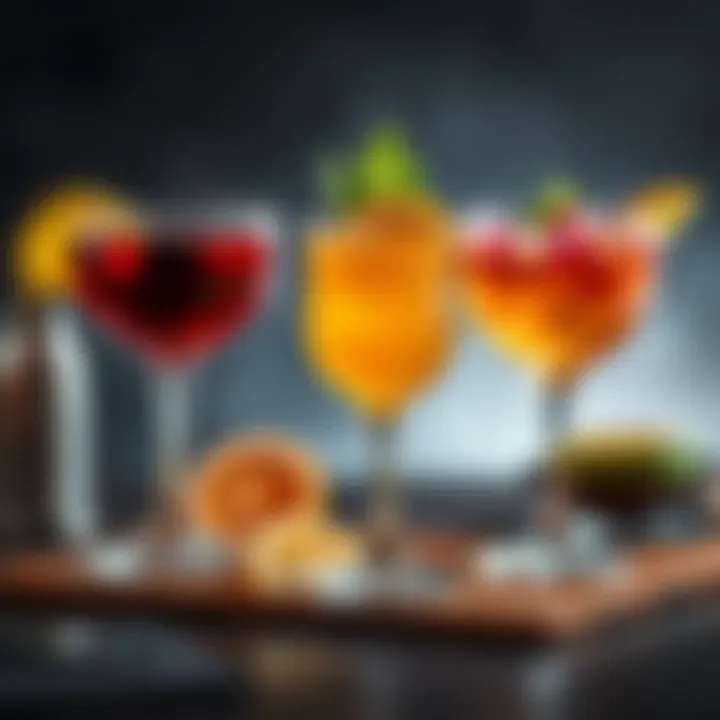
Flavored syrups can elevate cocktails to new heights. Whether it’s a rich lavender syrup or a zesty ginger one, the addition of flavor complexities transforms a standard drink into something extraordinary. The beauty of flavored syrups lies in their adaptability. Someone could grab a few fresh herbs or spices, and with minimal effort, create a syrup that tells a story.
Advantages:
- Versatility: Use them in cocktails, lemonades, or even drizzle over desserts.
- Creative Expression: Offer a unique twist to classic recipes, allowing you to experiment with flavors.
Using Honey and Agave
When it comes to sweetening cocktails, honey and agave syrup are two of the popular alternatives to typical sugar syrups. Honey brings a distinct floral quality that sugar simply can't match. Agave, on the other hand, is plant-based, lower on the glycemic index, and has a milder flavor, making it a favored choice in light and refreshing drinks.
Advantages:
- Flavor Profiles: Each offers a unique taste dynamic, enhancing cocktails in ways that basic sugar just can’t achieve.
- Health Conscious Choice: Both honey and agave present lower glycemic options compared to refined sugars, which is appealing for health-minded consumers.
Exploring Carbonated Mixers
Types of Carbonated Beverages
Carbonated mixers vary widely, encompassing everything from sodas to tonic water. The fizzy effervescence they bring can change the texture of the drink, providing a refreshing feeling. Popular choices include club soda, tonic water, and ginger ale, each bringing its own flavor notes and effects. The very essence of using carbonated beverages is to enhance the experience—adding breath, life, and a splash of excitement to a cocktail.
Characteristics:
- Diverse Flavor Options: Different mixers introduce their unique essence to cocktails.
- Texture: The bubbles add a refreshing mouthfeel.
Pairing Mixers with Spirits
The right mixer can complement or even enhance the spirit's flavors. Whether it’s using tonic to brighten gin or ginger beer to deepen the warmth of bourbon, thoughtful pairing is essential for achieving a harmonious cocktail. One must consider the inherent flavors and strengths of the spirits at hand and how the mixers will interact with those. It’s a dance of flavors—each step matters.
Characteristics:
- Balancing Act: The mixer must work in tandem with the spirit for a balanced profile.
- Enhancement: Using the right mixer can highlight or mellow out certain flavors in the spirit, creating a more robust drinking experience.
Crafting Flavored Sodas
Crafting flavored sodas is perhaps one of the most creative outlets for mixologists. This process allows individuals to infuse their creations directly into a soda base, opening up a myriad of possibilities. A crafted rosemary lemon soda could add a refreshing herbal note to a vodka cocktail; the options are limitless here.
Characteristics:
- Personal Touch: You can influence every aspect, from sweetness to complexity.
- Uniqueness: It not just a beverage but an art form, letting bartenders express themselves while providing guests with something special.
Garnishes: The Finishing Touch
Garnishes play an essential role in mixology, often overlooked but crucial to the overall cocktail experience. They can elevate the drink's visual appeal, enhance flavors, and provide aromatic elements that engage the senses. While some may dismiss garnishes as mere decoration, they often serve functional purposes—like complementing or contrasting the cocktail’s primary ingredients. Choosing the right garnish requires a blend of creativity and a deep understanding of the drink itself. The right garnish can transform a simple cocktail into something memorable, inviting, and visually striking.
Types of Garnishes
Edible Flowers
Edible flowers are gaining ground as a popular choice in crafting cocktails. Their beauty is hard to beat, adding pops of color that can captivate anyone at first glance. Flowers like pansies, violets, and orchids not only enhance visual appeal but also contribute subtle flavors. For instance, a lavender flower can add hints of floral notes to gin drinks.
One of their unique features is their versatility; they can be used whole or even infused in syrups and spirits. Yet, caution is needed, as not all flowers are safe to consume. Some may have a bitter taste or cause allergic reactions. It's essential to source edible flowers from trusted growers or suppliers to ensure they are free from harmful pesticides.
Citrus Peels and Twists
Citrus peels, perhaps the unsung heroes of cocktail garnishes, are invaluable for a good reason. The essential oils in citrus skins—such as lemon, lime, or orange—offer a vibrant aroma and flavorful zest that can significantly enhance a drink. They bring brightness and an acidic lift that balances richer spirits.
The unique feature of these garnishes lies in their ability to provide a flavorful punch with a simple twist. A lemon twist can brighten a Negroni, while an orange peel adds depth to an Old Fashioned. However, one must be wary; the technique matters. Over-peeling can lead to a bitter taste, negating the intended flavor enhancement. Using a vegetable peeler to remove a thin layer can do the trick without the unpleasantness.
Creative Garnishing Techniques
Embracing creative garnishing techniques can offer an innovative edge to cocktail presentations. Beyond standard garnishes, techniques like skewer threading with fruits or using smoke-infused elements are becoming trendy and can leave a lasting impression on patrons. For instance, infusing smoke into a drink through a wooden chip can create a multi-sensory experience, combining both taste and aroma in a dramatic fashion.
This creativity allows for personal expression in each cocktail, but it also presents challenges. Not all garnishes will complement every drink; an overly extravagant garnish may overshadow the flavor profiles. Thus, the trick is to ensure garnishing does not distract but rather enhances the cocktail experience.
The Aesthetic Appeal
Garnishes and Cocktail Presentation
The presentation of a cocktail can transform a simple drink into a statement piece. A well-garnished cocktail can evoke a sense of craftsmanship and attention to detail. Whether it's a sprinkle of sea salt on a Margarita glass rim or a sprig of mint atop a Mojito, these details speak volumes about the drink's quality. Cocktail presentation is an art—a way to enhance customer expectations and create an experience that goes beyond taste.
Although beauty is subjective, there is a balance to strike; too much flair can lead to confusion rather than appreciation. The goal should be to entice and invite, making each drink not just a beverage but a work of art.
Photogenic Cocktails for Social Media
In today’s digital age, a cocktail's ability to photograph well greatly enhances its appeal. Everyone seems to have a smartphone with high-quality cameras at their fingertips, and social media platforms thrive on visually captivating content. Cocktails adorned with striking garnishes or unique presentations often become stars of Instagram. This appeal has progressively influenced mixology, compelling bartenders to craft photogenic drinks that are as Instagrammable as they are enjoyable.
However, there’s a danger: the emphasis on aesthetics can lead to neglecting flavor. A drink may look stunning but fall flat on taste. It’s essential for mixologists to find a balance between style and substance; a delicious cocktail will still attract attention, especially if presented appealingly.
Trends in Cocktail Aesthetics
The world of cocktail aesthetics is ever-evolving, driven by trends that reflect societal tastes and preferences. Modern mixology is embracing vibrant colors, intricate designs, and themed presentations that resonate with contemporary atmospheres. For example, tropical cocktails adorned with colorful umbrellas and fruits tap into a playful aesthetic that delights the senses.
We see a growing focus on natural garnishes and using components from the drink itself. This trend not only appeals visually but also respects sustainability—using every part of a fruit or herb reduces waste and maximizes freshness. Yet, one must keep an eye on the trends that may fade quickly. What’s hot now may not hold its luster next season. Staying ahead demands creativity and an understanding of evolving tastes.
In the realm of mixology, garnishes are far more than decorative finishes. They are an opportunity to express creativity, enhance flavor profiles, and create a memorable drinking experience. As we continue to explore the assortment of ingredients that contribute to cocktails, it's clear that the finishing touches can be as significant as the foundational elements.
Regional Specialties in Cocktail Ingredients


In the ever-evolving world of mixology, recognizing regional specialties in cocktail ingredients plays a crucial role. Local flavors and unique variations not only enhance the complexity of cocktails but also connects drinkers to the geography and culture behind these libations. This is especially important when considering how different ingredients reflect a region's terroir—its climate, soil, and environment influence taste. With an increasingly globalized palate, the exploration of these local elements adds a layer of authenticity and storytelling to cocktail creation.
Global Spirits and Their Uses
European Distillates
European distillates encompass a rich tapestry of spirits ranging from gin and vodka to whisky and aquavit. Each spirit embodies distinctive characteristics reflective of its place of origin. For example, gin, particularly popular in Britain, is characterized by its botanical flavoring, which can include ingredients like juniper berries and coriander, making it a versatile base for many cocktails.
The key characteristic of European distillates is their historical methods of production, often rooted in centuries-old traditions. Their complexity and depth of flavor make them a favored choice for cocktail enthusiasts, who appreciate the craftsmanship involved in their creation. However, these spirits often come at a higher price point, which could deter budget-conscious mixologists.
Asian Influences
The Asian influence on cocktail ingredients is another fascinating angle. Spirits like sake and soju, which have gained traction in cocktail bars, present a unique approach to mixology due to their inherent flavor profiles that differ vastly from Western liquors. Sake, with its umami essence, can add a depth that softens traditional cocktails while inviting a new category of flavor experimentation.
Asian ingredients, such as yuzu and ginger, have also carved out a place in modern cocktail crafting. They are celebrated not only for their vibrant flavors but also for their cultural significance. While the main challenge is familiarity—some bartenders might feel hesitant to incorporate these ingredients—once mastered, they can elevate a cocktail to new heights.
Latin American Contributions
Latin America contributes a wealth of flavors, particularly through rum and tequila, which have firmly established themselves in the cocktail lexicon. Take, for instance, the aromatic qualities of aged rum from the Caribbean, known for its robustness and sweet finish, making it an exceptional base for cocktails like the Mojito or Dark 'n' Stormy.
The key characteristic of Latin American spirits is their diversity; rum and tequila vary widely across regions. This presents an excellent opportunity for creativity in cocktails—ranging from the sharp, versatile nature of silver tequila to the deep notes of a barrel-aged variant. However, the sometimes-diverse regulations regarding these spirits can complicate sourcing quality ingredients, which is a drawback for mixing enthusiasts.
Local Ingredients and Flora
Herb and Fruit Availability
When it comes to sourcing ingredients, the availability of local herbs and fruits provides a significant advantage. Ingredients that are grown close to home are often fresher, leading to an enhanced flavor profile that can significantly impact the overall quality of cocktails. For example, using seasonal fruits like peaches from local orchards not only supports local farmers but also brings a fresh, fruity essence to drinks.
However, depending on the season, availability can vary substantially, requiring bartenders to adapt their menus frequently, which can be both a challenge and an opportunity for creativity.
Sourcing Locally
Sourcing ingredients locally is not only about flavor but also about sustainability. By reducing the distance ingredients travel, bartenders and cocktail enthusiasts mitigate their carbon footprint and support local economies. This practice resonates well with a growing demographic that prioritizes eco-conscious choices in their consumption habits.
A prime example of this is the farm-to-table movements that have permeated the food scene, and they are beginning to spill over into cocktail culture. Yet, this approach can sometimes restrain the diversity of available ingredients, which could lead to limitations in mixing capabilities.
Infusing Regional Flavors
Infusing cocktails with regional flavors offers a distinctive touch, allowing bartenders to showcase the essence of their locale. Ingredients such as herbs, fruits, and even florals can be used to create proprietary syrups or bitters that reflect regional nuances.
This technique not only adds a signature flair to cocktails but also engages customers on a sensory journey through place. However, there is a risk of such flavors being polarizing, not every drinker may appreciate the unfamiliar taste combinations. Striking a balance between the novel and the familiar is essential to creating a well-received cocktail that pleases the crowd.
"Every sip tells a story, connecting you with places far and wide, or just down the street. That's the power of regional specialty ingredients."
Incorporating regional specialties into cocktail creation enhances the depth and richness of each drink, enabling a tapestry of flavors that reflect the diverse world we live in. Validating these aspects encourages not just exploration but also a deeper appreciation for each pour, ultimately enriching the overall experience in the realm of mixology.
Current Trends in Cocktail Ingredients
In the ever-evolving landscape of mixology, keeping your ear to the ground when it comes to current trends in cocktail ingredients is crucial. The importance of this topic stems from the significant influence these trends have on flavor, sustainability, and the overall cocktail experience. By examining trends such as organic sourcing, innovative flavors, and the push for sustainability, we can appreciate how they enhance both the art and science of cocktail crafting.
Sustainability and Organic Sourcing
Reduce, Reuse, Recycle in Cocktails
The concept of reduce, reuse, recycle in cocktails is not just a catchy phrase; it embodies a philosophy aimed at minimizing waste and optimizing resources. This approach encourages mixologists to think creatively, incorporating leftover ingredients in fresh ways. For instance, citrus peels or herb stems that may otherwise end up in the trash can be made into flavorful syrups or used as garnish.
The key characteristic of this trend is its focus on sustainability, helping to lessen the environmental impact of cocktail preparation. By integrating recycled ingredients, bartenders can infuse unique flavors into their drinks while promoting an eco-friendly mindset. The advantage here is twofold: it reduces waste and often leads to flavor profiles that are unexpected yet delightful. However, it’s important to ensure that the quality of reused components maintains the standard needed in high-class cocktails.
The Rise of Organic Spirits
The current surge in organic spirits reflects consumers' growing awareness of health and environmental issues. Organic spirits are crafted using ingredients grown without synthetic pesticides or fertilizers, showcasing a commitment to natural farming practices. This approach not only benefits the environment but also allows drinkers to enjoy a purer flavor, untainted by artificial additives.
The unique feature of organic spirits lies in their taste; they often have a depth and richness that comes from high-quality ingredients. This trend provides a beneficial choice for cocktail enthusiasts seeking a more authentic experience. On the downside, organic spirits can be more expensive and may not be available in all markets, which can limit access for some consumers.
Seasonal Sourcing Trends
Embracing seasonal sourcing trends is an excellent way to ensure the ingredients used are fresh and flavorful, often leading to cocktails that reflect the character of the time of year. Using seasonal ingredients allows mixologists to create unique offerings that evolve throughout the year, capitalizing on peak flavors of different fruits, herbs, and vegetables.
The standout feature of seasonal sourcing is its tie to local producers, enhancing community support and reducing carbon footprints due to shorter transport distances. The advantage here is clear; it elevates cocktails with vibrant, fresh flavors. Yet, some challenges can arise, such as limited availability of specific ingredients during off-seasons, which requires mixologists to be adaptable and creative.
Innovations in Flavor
Experimenting with Uncommon Ingredients
The cocktail world is increasingly embracing the practice of experimenting with uncommon ingredients. This could include anything from unexpectedly using salts, like smoked sea salt, to integrating ingredients such as beets or even umami-rich elements like miso. Such explorations contribute significantly to the evolving cocktail landscape, pushing boundaries and inspiring creativity.
A defining aspect of this trend is its embracing of diverse cultural perspectives and culinary traditions. This innovation allows bartenders to craft drinks that tell a story, marrying flavors from different corners of the globe. However, navigating unusual ingredients demands skill and an understanding of how different flavors interact, which can pose challenges in ensuring a balanced drink.
Culinary Techniques in Mixology
The integration of culinary techniques in mixology marks a new frontier for cocktail creation. Techniques borrowed from the culinary world, like sous-vide infusion or molecular gastronomy, are being applied to cocktails to elevate taste and presentation. These methods provide unique textures and flavors that traditional mixology can't achieve alone.
By incorporating these advanced techniques, bartenders are not just mixing drinks; they are creating edible experiences, changing the way we perceive cocktails. Nevertheless, these approaches can require specialized equipment and skills, which may not be feasible for every bar or home bartender, potentially limiting accessibility.
Flavor Pairing Advancements
Flavor pairing advancements have transformed the way cocktails are crafted, allowing for more sophisticated and interesting combinations. This trend draws on the science of flavor compatibility, enabling bartenders to create cocktails that resonate with both taste and aroma, often achieving synergy that surprises the palate.
The most notable characteristic is the analytical approach to understanding why certain flavors work well together, supporting the idea of cocktails as a form of culinary art. This advancement fosters creativity while providing a solid foundation of science, making it a valuable resource for cocktail enthusiasts. That said, it may involve some trial and error, as not every pairing will achieve a harmonious balance.
In a world where sustainability, innovation, and creativity dominate current trends, mastering these elements can significantly enhance a cocktail's appeal.
Through exploring these avenues within cocktail ingredients, practitioners can craft unique, memorable cocktails that not only delight the senses but also positively impact the environment.